
Oud scent began life as smoke, not liquid. Long before it was distilled into oil or blended into modern perfume, resinous agarwood was burned as incense in temples, homes and royal courts across Asia and the Middle East. That ceremonial use shaped how the scent was understood for centuries, and it still influences how oud is worn and valued today.
Where the Tradition Begins
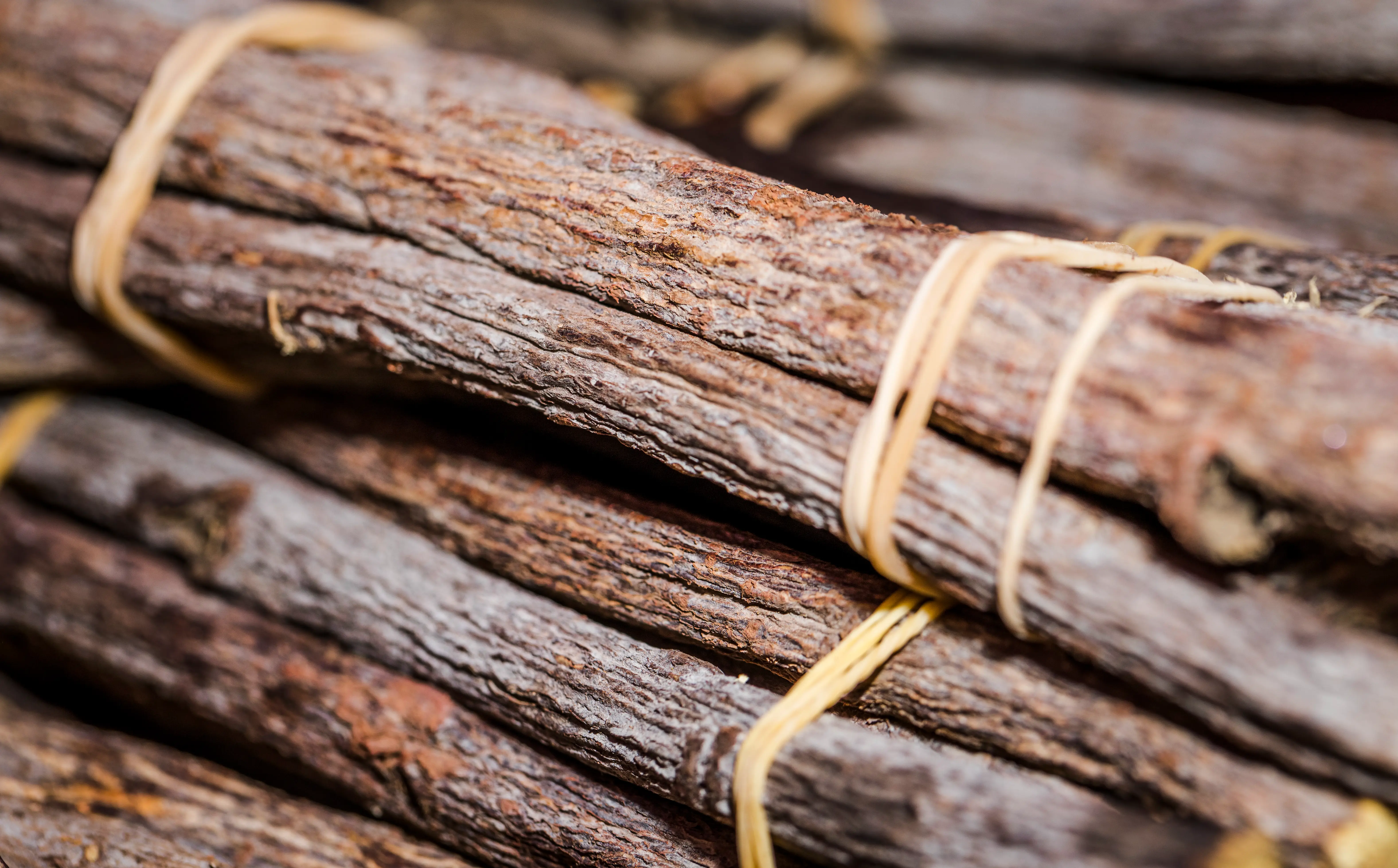
The source of oud is the Aquilaria malaccensis tree, native to parts of South and Southeast Asia. When the tree's wood becomes infected and produces its dark, fragrant resin, the result is a material that early traders and travellers recognised as valuable almost immediately. Historical accounts describe it moving along the same trade routes as spices and silk, carried westward toward the Middle East and eventually into European trade networks.
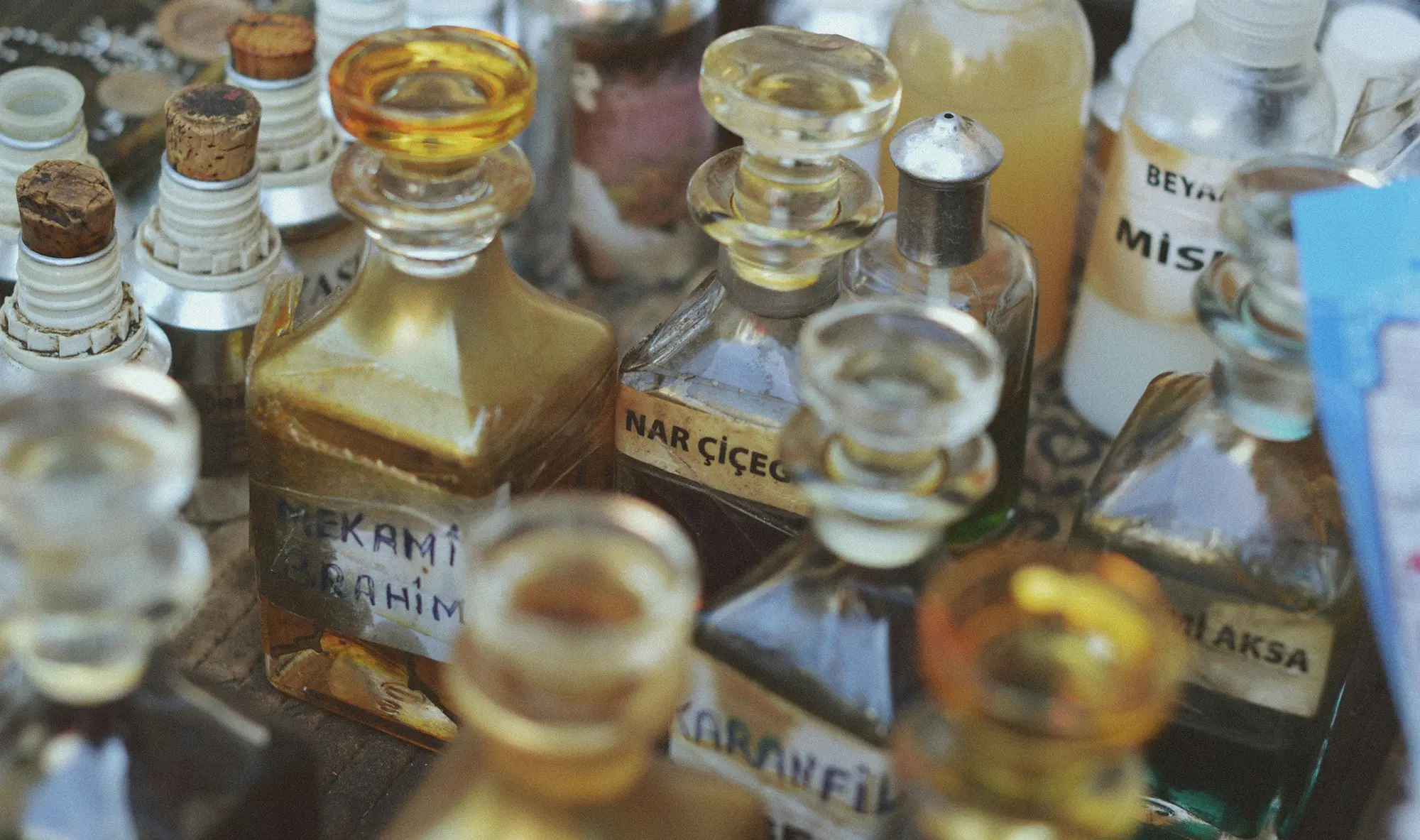
In many of the cultures where it took hold, oud was never treated as an everyday scent. It was reserved for religious ceremony, welcoming guests, or marking significant occasions, a status that has carried through into how the fragrance is still perceived by many wearers today.
Bakhoor: Oud's Ceremonial Cousin
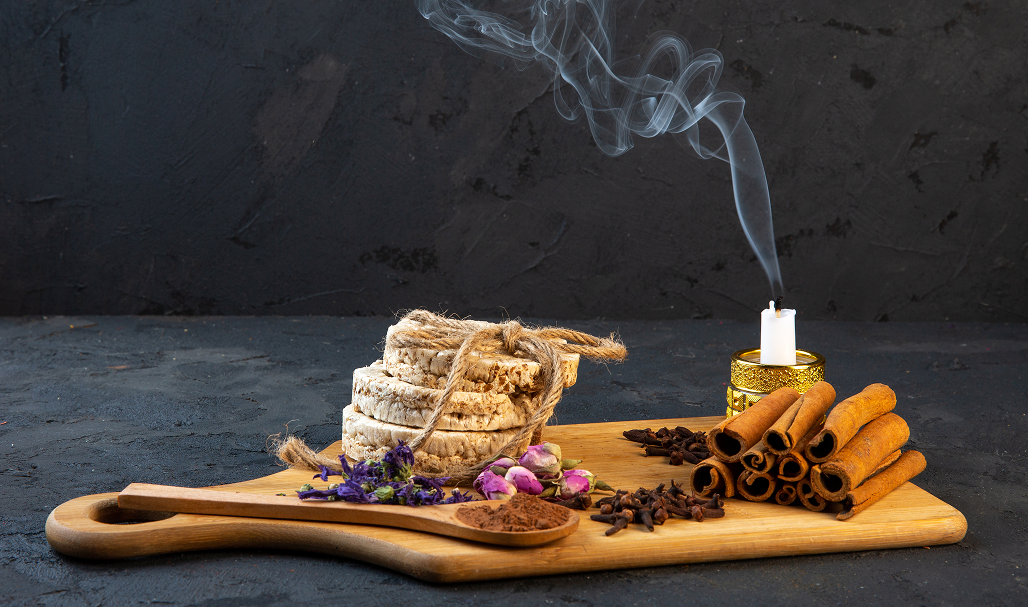
Bakhoor is the traditional practice of burning small blocks of wood chips soaked in fragrant oils, often including oud, over hot coals. It is one of the clearest surviving links between oud's incense origins and the fragrance category as a whole, and it remains an important part of hospitality in many Gulf households, where guests are welcomed with the smoke of bakhoor rather than a sprayed fragrance.
Understanding what bakhoor actually is helps explain why oud scent carries such strong associations with ritual and hospitality, associations that predate modern bottled perfume by many centuries.
A Material Recognised Across Very Different Cultures
What is striking about oud's history is how independently different regions arrived at valuing it so highly. Long before global trade connected these places in any organised way, communities across South Asia, Southeast Asia and the Middle East had each identified agarwood resin as something worth burning for ceremony, gifting to honoured guests, or reserving for significant occasions. That convergence, arrived at separately rather than through a single point of origin, says something about how distinctive the scent genuinely is, rather than its reputation being built purely on rarity or trade-driven demand.
How Trade Routes Spread the Scent
As oud moved along historic trade networks, it picked up different names, preparation methods and cultural meanings in each region it passed through. What stayed consistent was the perception of value. A material this difficult to source and this labour intensive to process was never going to end up as a casual, everyday commodity, at least not until modern cultivation and blending techniques changed the economics of the category.
How the Ritual of Wearing Oud Has Changed
In many of the households where oud and bakhoor originated, applying fragrance was never a quick, solitary act. Bakhoor was often burned communally, filling a room before guests arrived, while oud oil was applied deliberately and sparingly, treated as something closer to ceremony than routine. Modern wearing habits have compressed much of this into a few seconds at the bathroom mirror, but the underlying idea, that this particular scent deserves a bit more attention than an everyday spray, has largely survived the transition.
What the Names Themselves Reveal
Language carries some of this history too. Different regions developed their own words and preparation traditions for fragrant agarwood long before a single international market existed, and many of those distinctions survive in how the material is described today. Bakhoor typically refers to the burned form, while oud oil and oud attar describe distilled or blended liquid preparations. Recognising these distinctions helps explain why the same underlying material can show up in such different products, from a bag of incense chips to a bottle of concentrated oil.
Why the Tradition Still Shapes Modern Perfumery
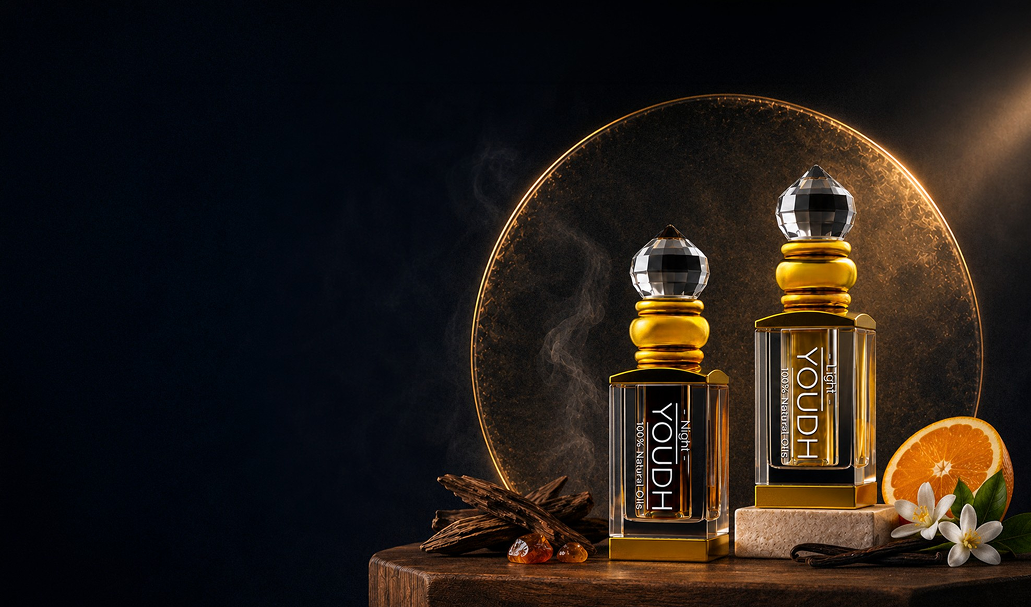
Modern perfumers did not invent oud's appeal. They inherited it, along with centuries of cultural weight around what the scent represents. That is part of why YOUDH's guide to what oud scent is spends as much time on origin and meaning as it does on the fragrance notes themselves. Understanding where a scent comes from changes how it is worn and appreciated.
What This History Means for a First-Time Wearer
Knowing where oud comes from changes the experience of wearing it. A scent that develops slowly, shifts over the course of a day and does not behave like a typical citrus or floral makes more sense once you understand it was never designed as an instant, disposable impression in the first place. It was built for occasions worth marking, for hospitality worth remembering, and for a slower kind of appreciation than most modern fragrance encourages.
This context also explains why oud is often described in terms that feel almost reverent compared with how other fragrance families are discussed. Centuries of ceremonial use leave a mark on how a scent is talked about, long after it has moved from temple and court into everyday life.
A Living Tradition, Not a Relic
Oud and bakhoor are not museum pieces. They are still burned, worn and gifted today in much the same spirit as they were centuries ago, even as the format has expanded from incense and ceremonial oil into everyday wearable fragrance. Knowing that history adds real context to a scent that might otherwise just seem expensive or unfamiliar to a first-time wearer, and it explains why so many people who try oud once end up returning to it for years afterwards, long after the initial novelty of a new scent would usually have worn off.
